Robin Lewis

Back in 2017 I was living a normal lifestyle, without much concern for my health and largely focused on making a success in the world. Back then, “success” meant something entirely different, it was materialistically driven and I had not yet learned some of the most important lessons of my life.
I was 25 years old at the time, and kept myself busy with the daily challenges of running a carpentry business. My wife, Jolandie and I made a great team, and had the dream of one-day building up our business to reach a level in which we could later take our leave to go and experience life outside of the norms of society. I’ve always been positively minded, optimistic and could most definitely be classified as a unrealistic dreamer.
I had no idea that some of my personality traits would later become a life-line and would soon need to focus all of my attention on truly believing that the impossible is achievable.
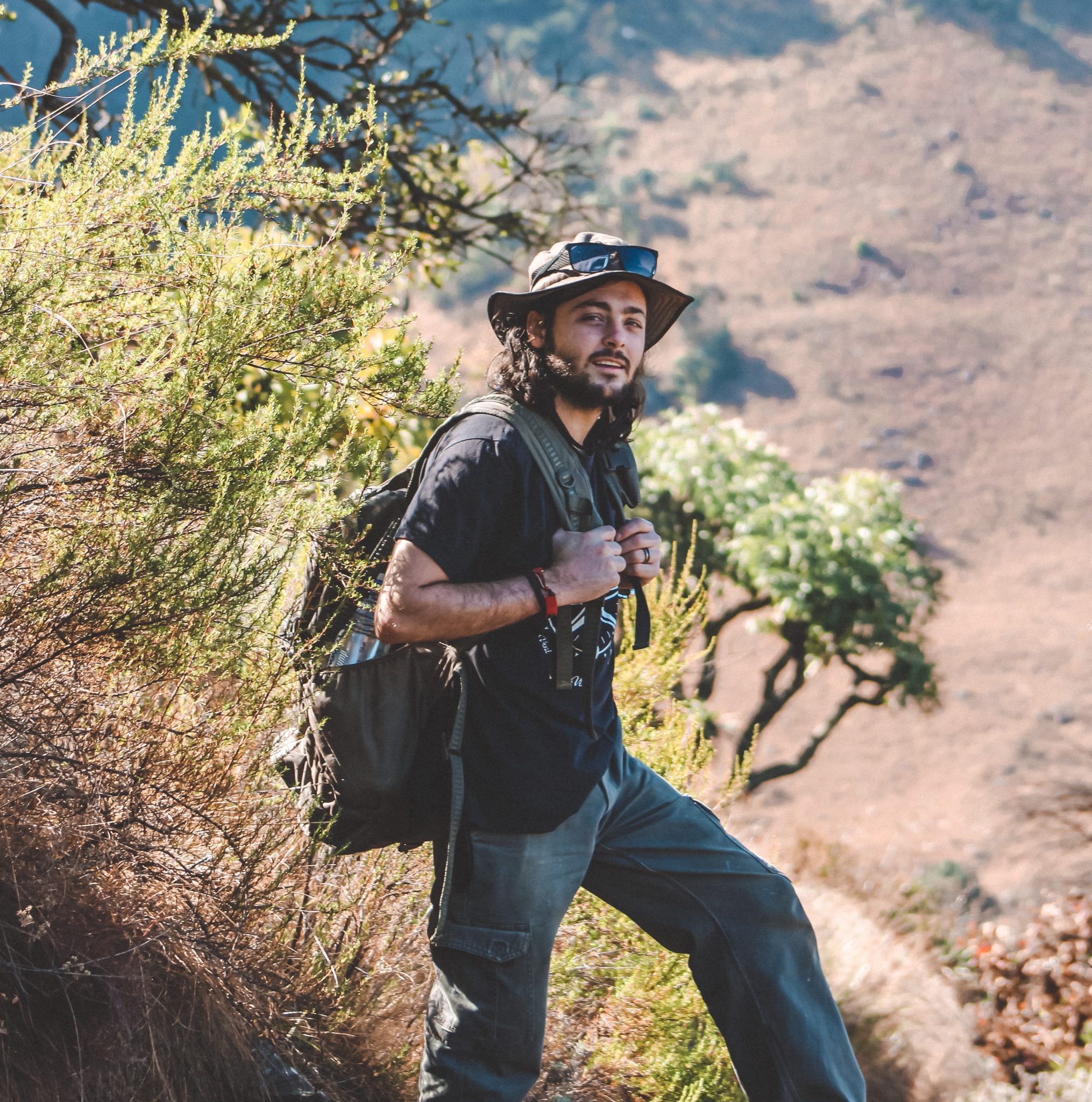
I started feeling weak, and doing simple physical tasks such as walking up a flight of stairs left me standing out of breath, heart pounding and reaching for headache pills. I also developed frequent infections and we decided to make a quick stop at a local clinic. The nurse didn’t take much time to come to the conclusion that I was anaemic, and needed to see a doctor. The doctor confirmed the same suspicion and sent me off to get a full-blood count done.
We didn’t think much of it at the time, but by that evening a call came in from the doctor urging us to get to a hospital. We didn’t have medical insurance at the time, and tried our best to convince the Dr. that I would be okay until the next day, but she expressed true concern and made us realise that the situation was serious.
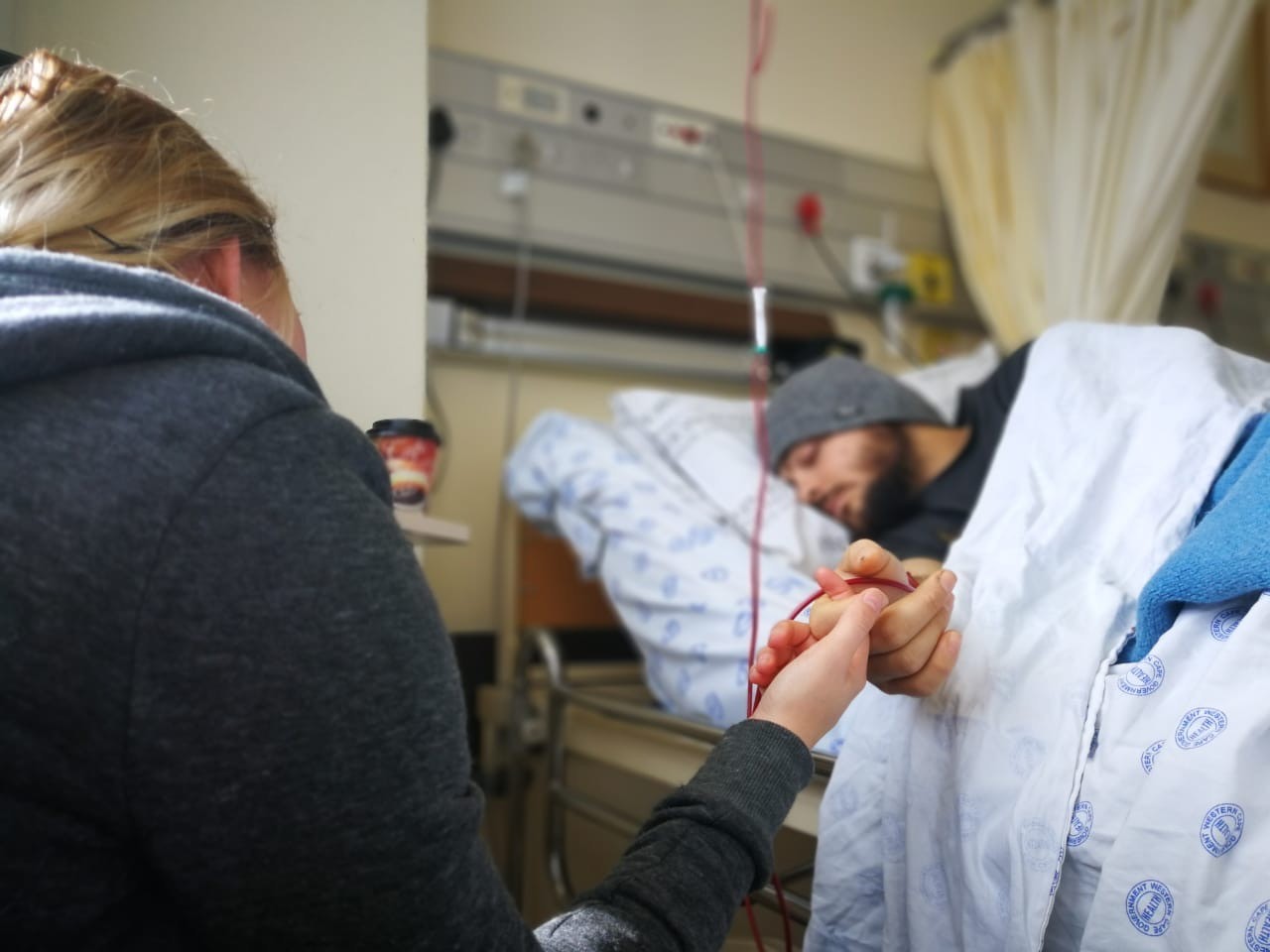
We were forced to step into the world of the public healthcare system. In South Africa, as all of you know, isn’t the best place to be. After 4 days in casualties, and some truly horrific evenings, I finally got a bed in a general ward. I spent the next month at Rob Ferreira hospital with Jolandie taking care of the business.
If you’ve been diagnosed with FA, there’s a big chance that you’ll know what a bone marrow biopsy is. After a few “failed” attempts and some blood transfusions, they finally gave me a diagnosis – Aplastic Anaemia (Bone marrow failure without a cause). Reading up on the condition was alarming. Faced with the reality of what lay ahead, I found myself in prayer, asking the Creator for a little more time on this earth, ten years, to be exact. In return, I promised that whatever time I was given would be spent serving others and making meaningful changes in my own life.
Soon, I was referred to another public hospital in Pretoria, a 3.5 hour drive from our home town. We made the trip many times, and had some interesting experiences every time my blood levels dropped dangerously low. Eventually, the doctors only gave me a single solution, a bone marrow transplant, and told us that the Groote Schuur Academic hospital would be the only facility that would be able to help me in the public sector.
Arriving in Cape Town, almost 2000km’s away from home, the team had already found my sister to be a haploidentical match, but wanted to perform their own bone marrow aspiration to confirm the diagnosis. They explained the process thoroughly, and mentioned that we would need to move to Cape Town for at least six months. They gave us some time to get our things in order, such as making a plan with our business and getting married as we were engaged at the time.
Two days after saying “I do”, the phone rang. The doctor gave it to me straight, and told me that I have a type of blood cancer (MDS) and that there was no time to wait. We packed up our business, retrenched our employees, sold what we could and headed down to Cape Town. Mentally, I was prepared and determined to get through the process, but had no idea that another curve ball was heading our way. On arrival, the doctors explained that they were concerned that there might be an underlying condition, and that they would need to run more tests that would take at least two weeks. They also asked whether I had any marks on my body, which I did, and called them “Café a lait” spots and jotted it down with us wondering why my “birth marks” would play a role…
Two weeks later we were called in and told that they had bad news to share. We were having a hard time understanding what could be worse than blood cancer and needing to go through a bone marrow transplant, and there it was, the first time we heard the word FANCONI…
The doctor explained that if I made it through the cancer and the transplant, my life expectancy would be a modest 35 years, with other obstacles almost certainly waiting further down the road. As I listened, a thought struck me instantly. Months before, I had asked God for ten extra years on this earth, and I was 25 when I made the request. Thirty-five… The very number I had asked for. A smile crept across my face. Rather than feeling discouraged, I felt even more optimistic about surviving the transplant and honouring the commitment I had made.
Nothing could have prepared us for my transplant, and I don’t think the doctors were expecting things to drag out so long. Jolandie and I ended up spending just under 5 consecutive and torturous months in an isolation room as a result of Graft vs Host disease. Many of our most profound life lessons were learned in-between those 4 walls, and I have the utmost respect and empathy for anyone needing to overcome the process.
When I finally got a breath of fresh air, it was like my whole world was different. I had immense appreciation for the smallest things and my perspective on life was drastically changed. During my stay in isolation, I set my dreaming mind to work so that I could wander the world, attempting to escape confinement, I started planning a journey, one that would have an impact on others while also giving me the sense of freedom I longed for.
10 years on the road, doing good things and helping where I’m able, that was the commitment. It took some time to figure things out, but soon I was asked to be the support group leader for families affected by FA in SA. Soon, two young South African girls with FA urgently needed the same treatment, but unfortunately, they did not have viable matches, and this is where we learned that donor ethnicity on the stem cell donor registry played a major role in finding patients a second chance.

We invested everything we had left into the dream of travelling the world doing good deeds for others and purchased an old red and rusted truck whom we named Betsy. We spent the next four years building our home, office and expedition vehicle that would make our dreams possible. We spent every waking hour planning, reaching out, and researching stem cell donation, overlanding routes and border crossings and finally set off on an “impossible” journey, the first of its kind intercontinental stem cell donor recruitment drive.
During the first two years of our campaign, we had the privilege of meeting others that had been affected by FA, some had lost loved ones, others had stories to which we could relate and most became friends and members of our small WhatsApp support group.
As we progressed, I was fortunate to meet a whole community of FA warriors and learn more about Fanconi Anaemia from researchers around the world during the annual Fanconi Cancer Foundation meetings. The more individuals we met, the closer our bond grew with the disease and those that fight against it. I was honoured to receive the Amy Winn and Cristopher T. Byrd award for our efforts in recruiting stem cell donors and felt the reward of inspiring others that had struggled with dealing with the disease. This meant a great deal to me, and motivated us to keep going.
We spent two years on the road actively recruiting stem cell donors across 5 African countries, and finally got connected to a family affected by FA in Kenya. Their little boy urgently needed a transplant, but as there are no transplant facilities available in most African countries, we were faced with a new challenge, access to care for individuals living with FA. Although we tried our best to connect the family with medical professionals around the world, we kept walking into dead-ends and sadly, before finding a solution, he passed away.
While all of this was going on, I started developing a worrying spot on my lower lip, and to get it looked at by the relevant specialist, we had to travel back to South Africa via Botswana. On our way, we got to meet another FA fighter, the only known FA patient based in the country! We learned that FA diagnostics weren’t yet being done in most of the African countries, leading to affected patients slipping through the cracks. My lower lip spot was confirmed to be Squamous Cell Carcinoma and was surgically removed. During my recovery, Jolandie and I decided to that more needed to be done to actively support these families affected by FA, and with the help of the Fanconi Cancer Foundation and our Official partners, the Mapping FA campaign was born.
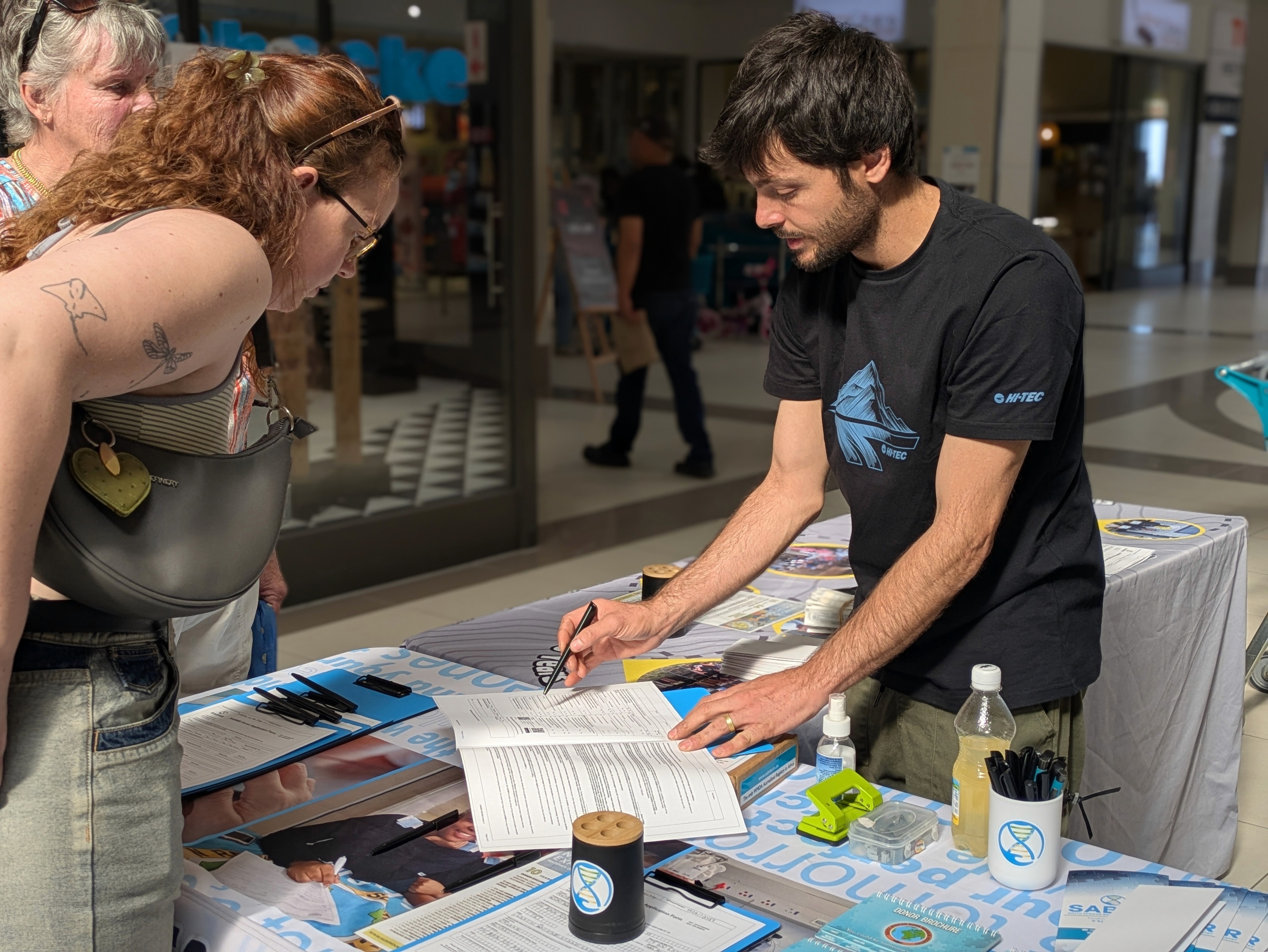
I am a firm believer that the body tends to follow the mind and always try to find the silver lining in every dark situation. To me, there’s always a reason for things happening the way they do, even my FA diagnosis (believe it or not). I find great reward in supporting or inspiring others with FA and do my best to manage my FA diagnosis with great care by implementing the lifestyle changes that are necessary to give me a good quality life. It’s not the years in your life; it’s the life in your years!
Acceptance equals freedom…
Of course, the FA adventure hasn’t always been pleasant, but it has led to good things in my life, and I wouldn’t change a thing. It has taught me resilience, compassion, and understanding for others going through tough times. You cannot see the stars without being in the dark.